Secure Execution of AI Agents in Software Development
Explains the shift to secure, isolated execution models for AI agents in software development.
What Changed Operationally
The operational landscape of software development has shifted fundamentally with the introduction of automated, autonomous agents capable of executing complex workflows. These systems generate outputs probabilistically, meaning their actions are not deterministic but are instead derived from model predictions. Consequently, the ability to automatically grant unrestricted access to a developer’s host machine is no longer a viable default. Instead, the industry is moving toward a model where AI-generated actions are executed within strictly defined boundaries. This transition is driven by the necessity to prevent unintended side effects, such as accidental file deletion, credential exposure, or the installation of malicious dependencies, which can occur when an agent interacts with external repositories or APIs without oversight.
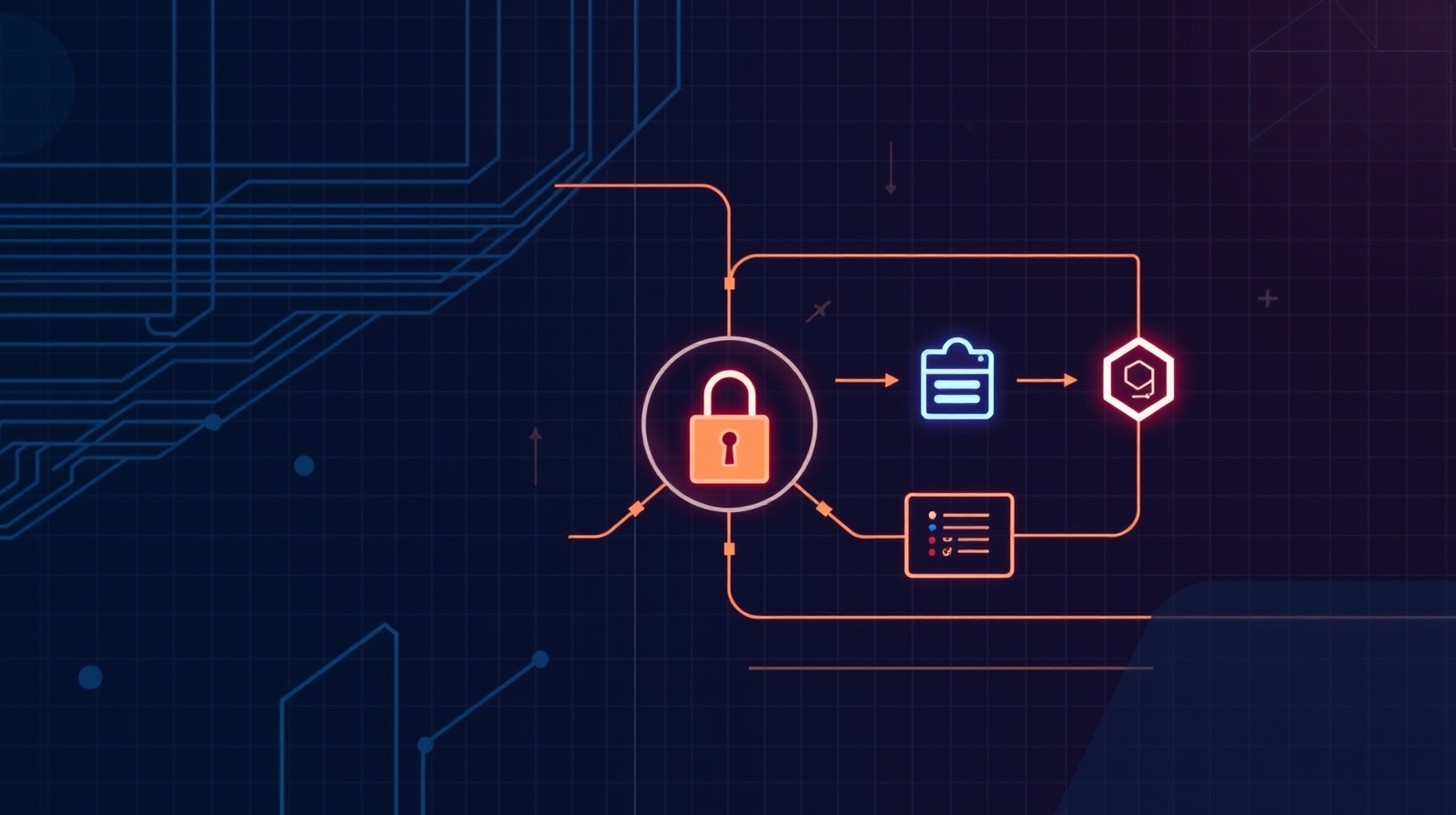
To address these risks, a new secure execution model is emerging that prioritizes isolation and controlled interaction. This approach leverages microVM-based protection to create a foundational layer of security, ensuring that the host system remains impervious to the actions of the agent. On top of this foundation, teams are utilizing "Sandbox Kits" to turn environment configuration into a reusable artifact. These kits allow for the precise management of AI workflows by installing specific tools, configuring environment variables, injecting necessary files, and running startup commands. By standardizing these configurations, organizations can enforce consistent security policies and network rules across different projects, ensuring that every AI-assisted task operates within a predictable and safe environment.
Architectural Foundations of Isolation
How The Capability Fits Together
The architecture underpinning these secure workflows relies on a separation between the host system and the execution environment. Unlike traditional containerization, which shares the host kernel, the proposed model utilizes microVMs to provide a stronger isolation boundary. This microVM foundation ensures that the agent operates in a virtualized space that is completely decoupled from the underlying infrastructure. This decoupling is critical for maintaining system integrity, as it prevents the agent from accessing sensitive host resources or interfering with other processes running on the machine. The isolation is designed to be robust enough to handle untrusted code and dynamic command generation without compromising the safety of the developer's workstation.
Capabilities and Configuration Models
While the isolation architecture provides the necessary security, the practical utility of AI agents depends on their ability to interact with the development environment effectively. This is achieved through "Sandbox Kits," which serve as the configuration layer for these isolated environments. These kits enable the automation of complex setup tasks, such as installing required tools, managing credentials through proxy-based injection, and controlling which domains the agent may access. By defining these capabilities within a kit, teams can ensure that the agent has access to the specific resources it needs to complete its tasks while remaining shielded from the broader system. This model effectively balances the need for autonomy with the requirement for governance, allowing AI agents to automate sensitive workflows safely and predictably.
Operational Impact
Enforcing Governance and Configuration Standards
Enterprise administrators aiming to standardize AI interactions must implement configuration controls that propagate settings across the organization. The most direct method for governing model selection involves modifying the managed settings file within the source organization. By adding the string "auto" to the .github-private/.github/copilot/managed-settings.json file, administrators can enforce a default policy where new conversations utilize auto model selection. This approach leverages the existing infrastructure for custom agents, utilizing the same .github-private repository to ensure consistency. For organizations already utilizing custom agents, this setting integrates seamlessly without requiring a separate configuration step. The configuration is automatically applied to users licensed through the enterprise account, specifically those with Copilot Business or Copilot Enterprise, ensuring that the governance policy reaches the end-user regardless of their specific VS Code version, provided it is updated to version 1.126 or later.
While the managed settings file establishes the baseline policy, administrators must verify that the enforcement mechanism is functioning as intended. The primary verification point is the Agents page within the enterprise settings, specifically under the AI controls section. This interface allows administrators to confirm that the "auto" configuration is active and being applied to the organization. It is critical to note that this governance setting applies to new conversations initiated by users. The system retains the flexibility for users to manually switch to a different model on a per-conversation basis, which balances centralized control with individual developer autonomy. This design allows administrators to set the standard while permitting exceptions for specific tasks that may require a specialized model, provided those exceptions are managed through the user interface rather than the default configuration.
Securing AI Workflows Through Isolation
Rollout And Governance Decisions
The increasing autonomy of AI coding agents introduces significant security risks, necessitating a shift from unrestricted local execution to isolated environments. As these agents become capable of executing untrusted code, interacting with external repositories, and automating sensitive workflows, the potential for accidental or malicious harm to the host machine increases. To mitigate these risks, organizations should adopt execution models that separate AI-generated actions from the developer's primary workspace. This isolation is essential to protect system integrity and ensure that AI-assisted development does not compromise the host environment or expose sensitive credentials.
Docker SBX provides a robust framework for achieving this security through a combination of microVM-based protection and customizable environment configurations. Unlike standard containerization, microVM isolation offers a stronger security boundary, ensuring that AI agents cannot easily escape their designated execution context. This foundation is then enhanced by Sandbox Kits, which allow teams to turn environment configuration into reusable artifacts. By using Sandbox Kits, administrators can control network access, manage credentials through proxy-based injection, and enforce specific startup commands and allowed domains. This approach transforms the complex task of configuring secure AI workflows into a standardized, repeatable process, ensuring that every agent operates within a defined, secure perimeter that adheres to organizational security policies.
Evaluating Pilot Rollouts and Governance
Implementing these new governance and isolation features requires a structured approach to pilot testing and gradual rollout. Organizations should begin by testing the auto model selection configuration in a controlled environment, such as a single development team or a specific project, before applying it enterprise-wide. This pilot phase allows administrators to verify that the settings in .github-private/.github/copilot/managed-settings.json are correctly interpreted by the VS Code client and that the default behavior aligns with the intended governance policy. During this period, teams should monitor the Agents page to ensure the configuration is active and to gather feedback on any friction caused by the default "auto" setting.
Simultaneously, the introduction of Docker SBX and Sandbox Kits should be evaluated for compatibility with existing CI/CD pipelines and local development environments. A realistic pilot involves assessing the performance overhead of microVM isolation and ensuring that the Sandbox Kits do not introduce latency that would hinder developer productivity. Administrators must also define clear criteria for when to proceed to a full rollout, such as successful verification of the managed settings and a stable, secure execution environment. This phased approach allows the organization to address potential issues—such as credential handling conflicts or network restrictions—before the features are mandated across the entire enterprise, ensuring a smooth transition to more autonomous and secure AI-assisted development practices.
Failure Modes And Limits
Execution Risks and Isolation Requirements
The increasing autonomy of AI coding agents introduces significant execution risks that can impact both development environments and production systems. As these agents become capable of executing untrusted code, interacting with external repositories, and dynamically generating commands, the potential for unintended side effects increases. Without strict controls, AI-generated actions may inadvertently cause harm, such as accidental file deletion, credential exposure, or the installation of malicious dependencies. This necessitates a shift in how developers approach AI-assisted workflows, moving away from unrestricted access to the host machine toward more secure execution models.
To mitigate these risks, isolation is essential. Secure execution environments provide a critical layer of defense, ensuring that AI activities are contained and cannot compromise the underlying system. Docker SBX offers a robust solution by combining sandbox isolation with microVM-based protection. This approach creates a boundary between the AI agent and the host machine, allowing for customizable environments, secure credential handling, and controlled network access. By leveraging microVMs, Docker SBX provides a stronger isolation foundation compared to traditional containerization, which is particularly important for handling sensitive workflows and credentials.
Security And Privacy Considerations
Furthermore, the concept of Sandbox Kits enhances the utility of isolation by transforming environment configuration into a reusable artifact. These kits allow teams to install tools, configure environment variables, inject files, run startup commands, and manage credentials through proxy-based injection. This standardization ensures that AI workflows are consistent across different projects and teams, reducing the likelihood of configuration errors. As AI agents become more autonomous, secure execution environments are likely to become a foundational part of responsible AI development, ensuring that innovation does not come at the cost of security.
Configuration Limitations and Verification Needs
While the integration of AI agents into development workflows offers substantial benefits, several limitations and unanswered questions remain regarding their implementation and governance. One significant limitation is the complexity of managing AI-specific settings across different platforms. For instance, enterprise administrators must navigate specific configuration paths, such as .github-private/.github/copilot/managed-settings.json, to enforce default behaviors like auto model selection. If a source organization is already configured for custom agents, the same repository is used, which can lead to conflicts if not managed carefully. Additionally, the reliance on specific file paths and version requirements, such as VS Code 1.126+, introduces potential compatibility issues for teams using older tools or different environments.
Open Questions
Another area of uncertainty involves the long-term maintenance and scalability of these configurations. As AI tools evolve, the settings and behaviors they support may change, requiring frequent updates to managed settings files. There is also a lack of clarity on how these configurations interact with existing governance policies, particularly in large organizations with complex permission structures. For example, while GitHub Copilot automatically applies enterprise settings for licensed users, the process for auditing or troubleshooting these settings is not fully defined. This leaves administrators with limited visibility into how AI agents are being utilized within their enterprise, potentially creating gaps in compliance and oversight.
Finally, the security implications of AI agent isolation are not yet fully understood. While Docker SBX provides a strong foundation, the practical effectiveness of Sandbox Kits in preventing all forms of malicious activity remains to be seen. Questions linger regarding how these kits handle dynamic code execution and real-time threat detection. Without comprehensive testing and validation, organizations may be exposing themselves to unforeseen risks. As such, it is crucial for teams to approach the adoption of these technologies with a cautious, verification-first mindset, ensuring that their specific use cases and security requirements are fully met before relying on AI agents in production environments.
Environment Checklist
Environment Checklist
- Verify that the target environment supports the required version of the integration tool (e.g., VS Code 1.126+ for GitHub Copilot settings).
- Confirm that the managed settings file path (
.github-private/.github/copilot/managed-settings.json) is correctly configured and accessible to the intended users. - Validate that Sandbox Kits are compatible with the existing microVM isolation infrastructure before deploying them to production workflows.
- Audit existing custom agent configurations to ensure they do not conflict with the new default auto model selection settings.
- Test credential handling and proxy-based injection mechanisms within the Sandbox Kit to ensure secure access to required APIs.
Verification Statement
This article was not lab-tested. The information provided is based on release notes and technical documentation. Readers must verify all configuration steps, version compatibility, and security implications within their specific production environments before deploying these changes.
// source record
Sources
- https://github.com/hashicorp/terraform/releases/tag/v1.16.0-alpha20260701 github.com · checked 02 July 2026
- https://github.blog/changelog/2026-07-01-enterprises-can-default-to-auto-model-selection github.blog · checked 02 July 2026
- https://www.docker.com/blog/why-ai-agents-need-isolation/ www.docker.com · checked 02 July 2026